


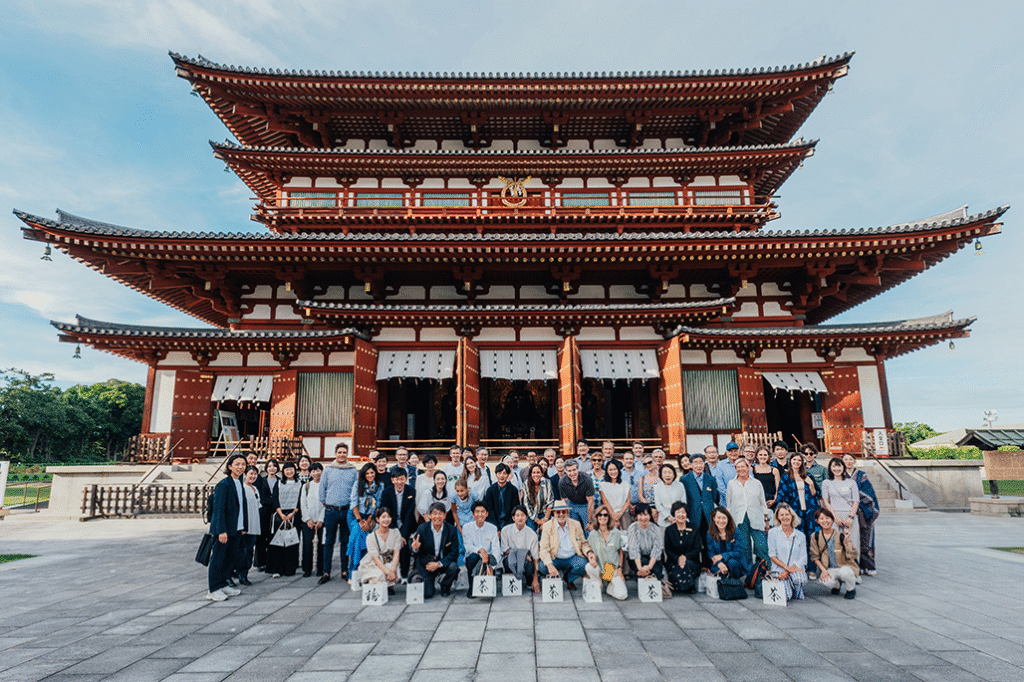
Figure 1: The Hénokiens Association: Annual General Meeting 2024, Nara, 26/09/2024
- Paradox in the modern world
By rule, the average lifespan of a business does not go beyond three generations. However, there is a group of businesses that can overcome many challenges to last for centuries. This remarkable exception is Hénokiens, a unique association in the world that includes 48 family businesses with an age of 200 years or more and whose founding families still hold ownership or management. These businesses not only did not disappear but on the contrary developed strongly through ups and downs of the world such as world wars, economic crises, political changes, and technological shifts. Through case studies of Hénokiens members, the authors point out that there is no direct relationship between business longevity and company size. What makes their survival lies in unique, flexible, and sustainable leadership strategies tied to family values, community attachment, and long-term vision.
- What makes Hénokiens so attractive?
Hénokiens is an international association of 48 family businesses with a total history of 16,000 years. These businesses come from eight European countries and Japan, and are prominent in sectors such as food, beverage, finance, traditional manufacturing, and services. To become members, businesses must be founded by families and still hold majority ownership or control in the executive board or board of directors. Typical members include Hoshi Ryokan, a Japanese hotel operating continuously since 718, which is not only a commercial achievement but also a cultural symbol of Japan. Another is Amarelli, a licorice candy producer from the 18th century, which used Calabria’s heritage to build a brand identity linked with local culture and tradition. The authors built a theoretical framework including five core factors that form the enduring leadership model of Hénokiens businesses.
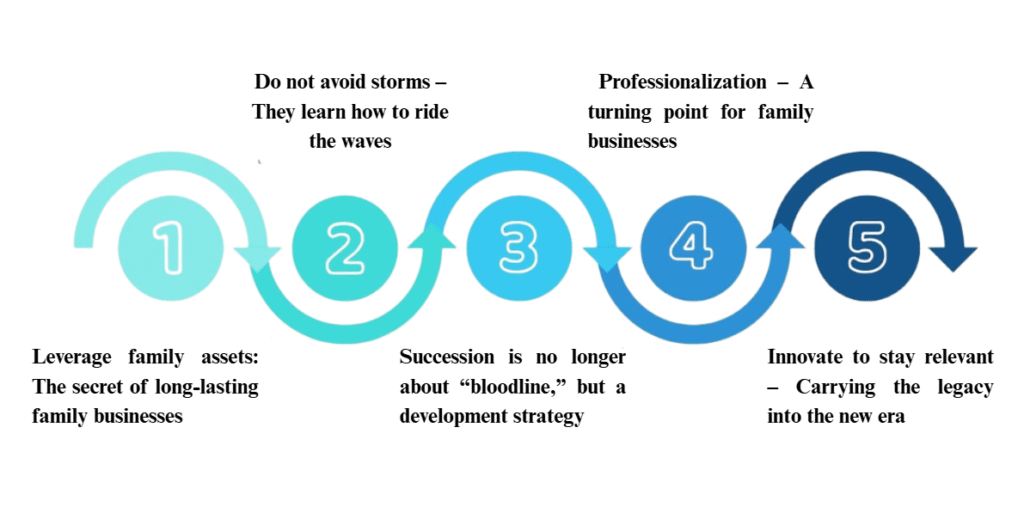
Figure 2: The Five Key Secrets Behind the Longevity of Hénokiens Companies
2. 1. Leverage family assets: the secret of long-lived family businesses
Many Hénokiens businesses last not only because of age but because they know how to exploit “family assets” from reputation, tradition, philosophy of life to networks. This is not only legacy value but also a strategic resource. Hoshi Ryokan has kept the name “Zengoro Hoshi” for 1,300 years as a symbol of continuity. Amarelli turned history into an effective communication tool. The common point is that they not only preserve but also reshape tradition to adapt. Fratelli Piacenza is a typical example when moving from mass market to premium, linking craftsmanship with modern taste. In a volatile business environment, survival does not lie in past glory but in the ability to transform heritage into innovation.
2.2. Do not avoid storms – They learn to ride the waves
The success of these family businesses does not only come from preserving traditional values but also from their ability to transform toward professionalism. When the European market froze, Van Eeghen quickly expanded to the United States. Peugeot accepted giving up family control to overcome the 2008 financial crisis. Pictet Group maintained an internal partnership model with clear governance principles and high discipline. These businesses show proactivity in identifying “bottlenecks”, from generational conflicts to pressure of business environment changes, and handling them with transparent systems, capable leadership, and flexible thinking.
2.3 Succession is no longer only about “bloodline”, but a development strategy
For long-lived family businesses like Hénokiens members, succession is no longer only “bloodline” but a sustainable development strategy. Most Hénokiens companies do not see “father-to-son inheritance” as obvious, but apply flexible, transparent, and well-prepared succession models. They may choose the most capable family member of the next generation, or even hire external professional CEOs if there is no suitable internal candidate. Schwarze, a German wine company, openly voted to transfer leadership to a daughter. Jean Roze, a French silk company, temporarily sold the business to an external CEO to wait until the grandson matured. These cases show that success does not come from keeping tradition mechanically, but from adapting, preparing, and standardizing succession to ensure continuity and growth across generations.
2.4 Professionalization – the turning point of family businesses
Not limited to traditional models, many family businesses are proactively professionalizing to adapt to modern markets. From setting up transparent governance, recruiting non-family executives to separating clearly ownership and management, these steps have proven effective. De Kuyper, a 300-year-old liquor company, boldly appointed a non-family CEO when the next generation was not capable. Jean Roze, a famous French silk brand, even transferred all management to a new CEO to push commercialization. These bold decisions not only optimized operations but also protected core values. Observers say professionalization is an irreversible trend, especially when young generations value efficiency, transparency, and external talent. This is also the way family businesses survive and grow in a volatile market.
2.5. Innovate to avoid obsolescence & continue legacy in the new era
Amid the fluctuations of the global economy, Hénokiens family businesses have stood firm for hundreds of years thanks to harmonizing tradition and innovation. Without resting on heritage, they actively adapted from applying new technology to restructuring strategies. Beretta invested in automation, Lombard Odier pushed digitization and developed sustainable funds. Each transformation proves the spirit of continuous improvement, while still preserving core values through generations. The Leonardo da Vinci Prize was created to honor that spirit – businesses that not only live by the past but also build the future. The story of Hénokiens is a strong reminder: in an era of constant change, long-term survival is not about size but about the ability to innovate within tradition.
- Generations after generations: when family businesses become sustainable symbols
In an era where speed of change is considered a measure of success, Hénokiens family businesses, with hundreds of years of age, prove the opposite: survival comes not from chasing trends but from maintaining core values with flexible innovation.
The lasting strength of these businesses does not lie in tangible assets but in intangible values passed down through generations such as reputation, corporate culture, networks, names, and family value systems. This is not only heritage but also the foundation to attract talent, build stakeholder loyalty, and create sustainable business value.
The success of Hénokiens also comes from strategic succession leadership. Each successor generation is prepared to continue the mission, not just to keep the seat. They are not afraid to professionalize operations by empowering professional management teams while keeping strategic orientation.
Finally, Hénokiens know when to stay loyal to tradition and when to break through to adapt. They are not afraid to change business models, launch new products, or invest in areas that require breakthrough thinking. This balance between “keeping” and “changing” has helped them not only survive but also lead as an alternative leadership model in the modern volatile world.
Reference
Bennedsen, M., & Henry, B. (2019, Feb). 16,000 Years of Family Business: The Leadership Model of the Hénokiens. https://publishing.insead.edu/sites/publishing/files/2019-06/6503-Henok_Intro_Compendium-BN-EN-0-05-2019-corr.pdf
Hénokiens. (n.d.). Les Hénokiens – Association internationale d’entreprises familiales au moins bicentenaires. https://www.henokiens.com/content.php?id=7&lg=fr
Source: FBV Team